hmmm
Posted on March 1st, 2024

hmmm
Posted on March 1st, 2024
The newsletter provides brief fishout info. For full detail, go to the website menu and select EVENTS -> Fishout Schedule
Posted on March 1st, 2024

The Good News from Marin County
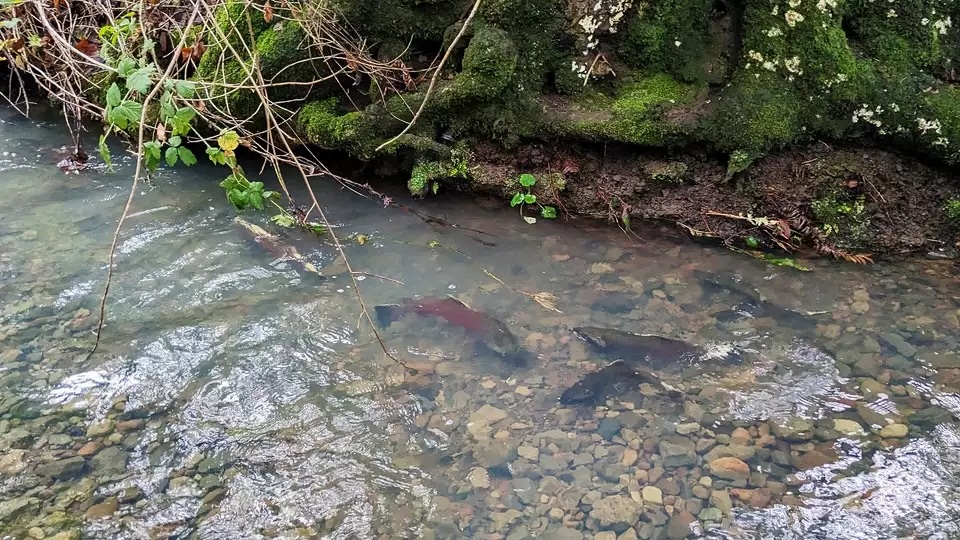
In Marin County creeks, Central California federally endangered coho salmon return numbers were non-existent last year. This year, however is a different story. On Olema Creek near Point Reyes, 70 redds were found. On one day last December, 150 adult coho were counted, which makes this year the best in over 15 years. Fishery biologists say one of the significant reasons is the work done to improve the habitat in the streams. The monitoring team also sighted coho this year in Pine Gulch Creek and Cheda Creek which until 2020 had no fish counted in over a decade. Redwood Creek in Muir Woods has also seen an increase in redd counts, after habitat enhancement and a release of 4,000 hatchery-reared fish. In the 1940s the California coho salmon population was estimated to to be from 200,000-500,000 fish. Today, about 1% remain (2,000-5,000). For more information, see the source of this article: https://www.sfgate.com/bayarea/article/endangered-coho-salmon-bay-area-comeback-18682993.php
The Not So Good News From Yellowstone Park
In a really interesting and sobering article that came by way of Hatch Magazine titled “Have we taken our love for native trout too far?”, the author looks at the history of fishery management in Yellowstone Park as far back as 1888—before it became a National Park. At that time, native westslope cutthroat trout and Arctic grayling thrived from both the Gibbon and Firehole, down through the Madison and beyond. Apparently that wasn’t enough fish for the man in charge from the U.S. Army. He was quoted as saying “I hope to see all of these waters so stocked that the pleasure-seeker in the Park can enjoy fine fishing within a few rods of any hotel or camp.” By 1935, the grayling had completely disappeared from the park, due to the introduction on non-native brown trout and brook trout. Rainbow trout were also planted. These fish all out-compete the grayling and westslope cutthroat. The brookie has apparently been the most harmful. The article expands with other examples throughout the west of human intervention with harmful effects on native fish populations. There are some ongoing efforts to restore native fish and control the non-natives in small areas. But for the most part, that is all that can be realistically accomplished. The other problem is the changing climate resulting in more hot weather and droughts (resulting in stream temperatures too warm to support healthy trout), and flooding. The warmer water trend is causing largemouth and smallmouth bass to move further up into reaches that were once void of these fish. At this point, It appears that our expectations will be that in many of these streams we should try to manage the reliable flow of cool water to support any wild trout. To sum up, I find this quote from the author of this article spot on: “Truth be told, we couldn’t have fouled up Western trout fisheries more effectively had we actually sought to do it. Our ignorance and our arrogance 140 years ago, coupled with our disdain for the natural function of rivers led us to this point.”
Posted on March 1st, 2024
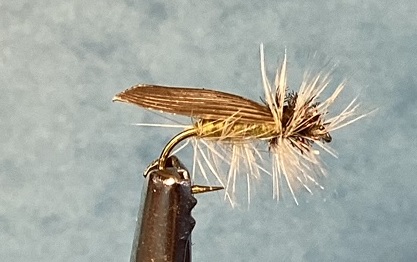
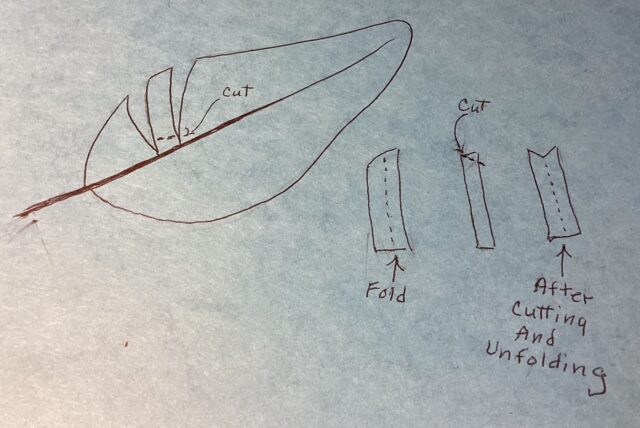
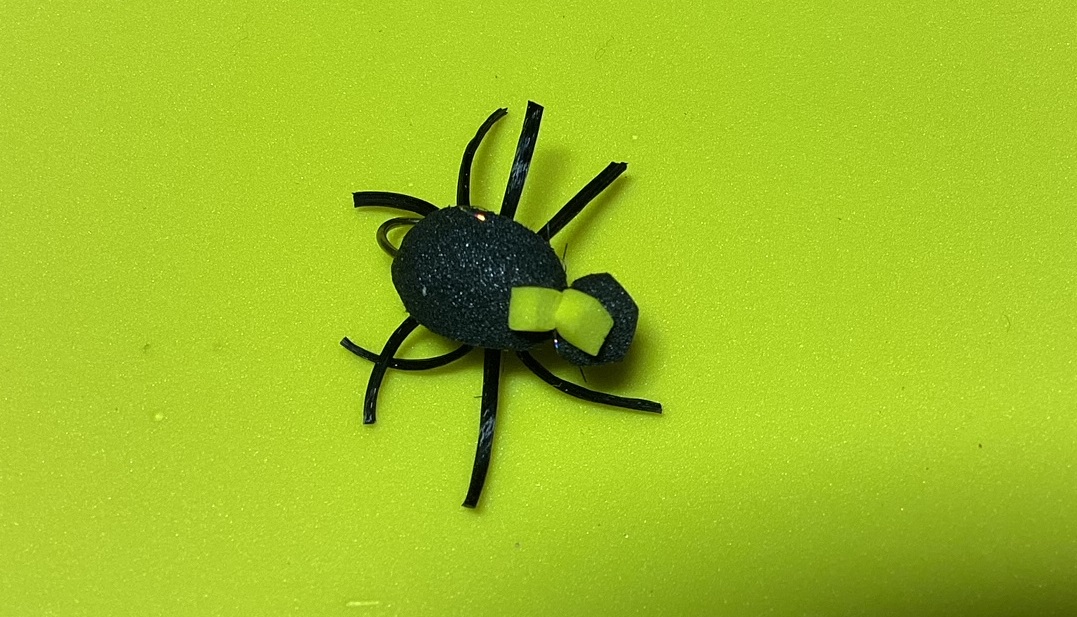
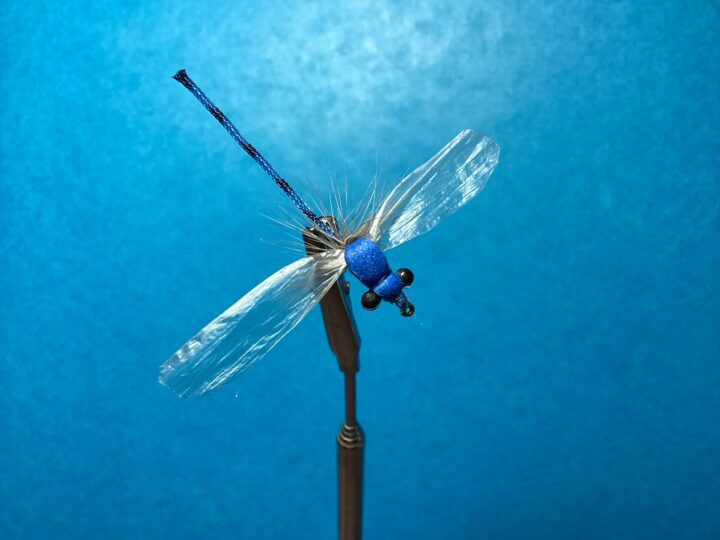
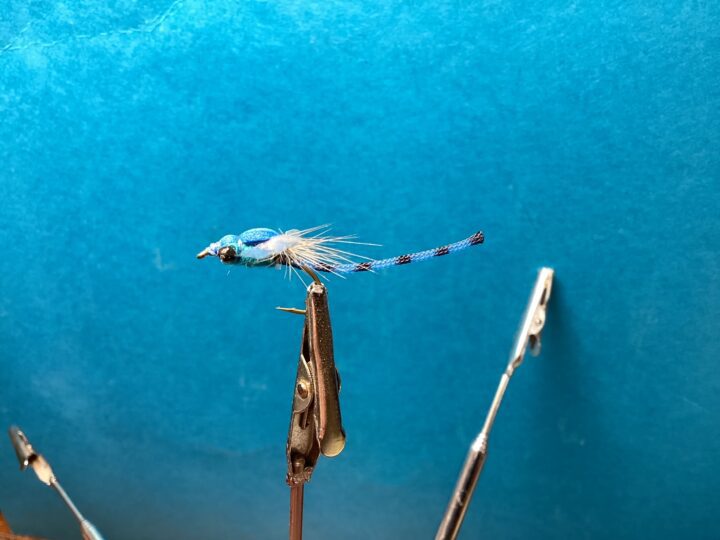
This particular fly works well for trout, bass and bluegill. I believe that having the original instructions to follow will be easier for you than trying to describe the construction the normal way. The measurements will not be to scale, so be sure to use a ruler The diagrams should be very helpful. Hope this works for you. If you have questions, don’t hesitate to call. 831-234-6515. Elaine


Posted on March 1st, 2024
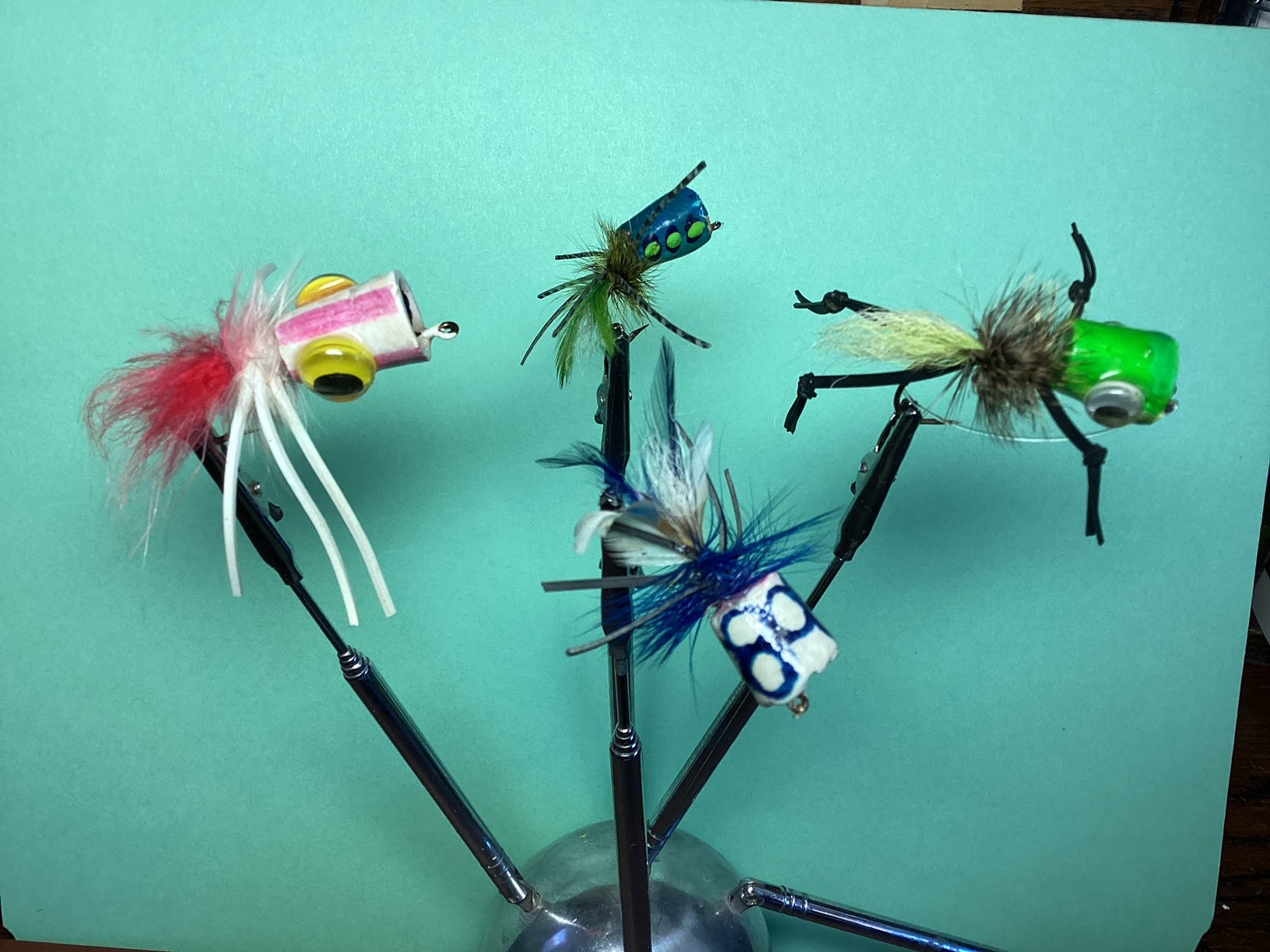
It’s time to get ready for the bass and bluegill season with some of these top water creations. This is a two day class that is a very artsy crafty and beginners should feel comfortable in attending. All the materials will be provided including the thread. Vises and tools will be available for beginners. There is limited space, so only sign up if you are committed to attend and do so no later than March 11. You can sign up at the club meeting or by calling me at 831-234-6515
Future tying classes. Dates and subject may change, please go to Fly Name to see more information.
| Date | Fly | Excerpt | |
|---|---|---|---|
![]() | Apr 10 6:30 pm - 8:30 pm | AP nymph | Looking ahead we will be tying a nymph that has been around for a long long time. It’s a great fly for beginners. |
Posted on March 1st, 2024
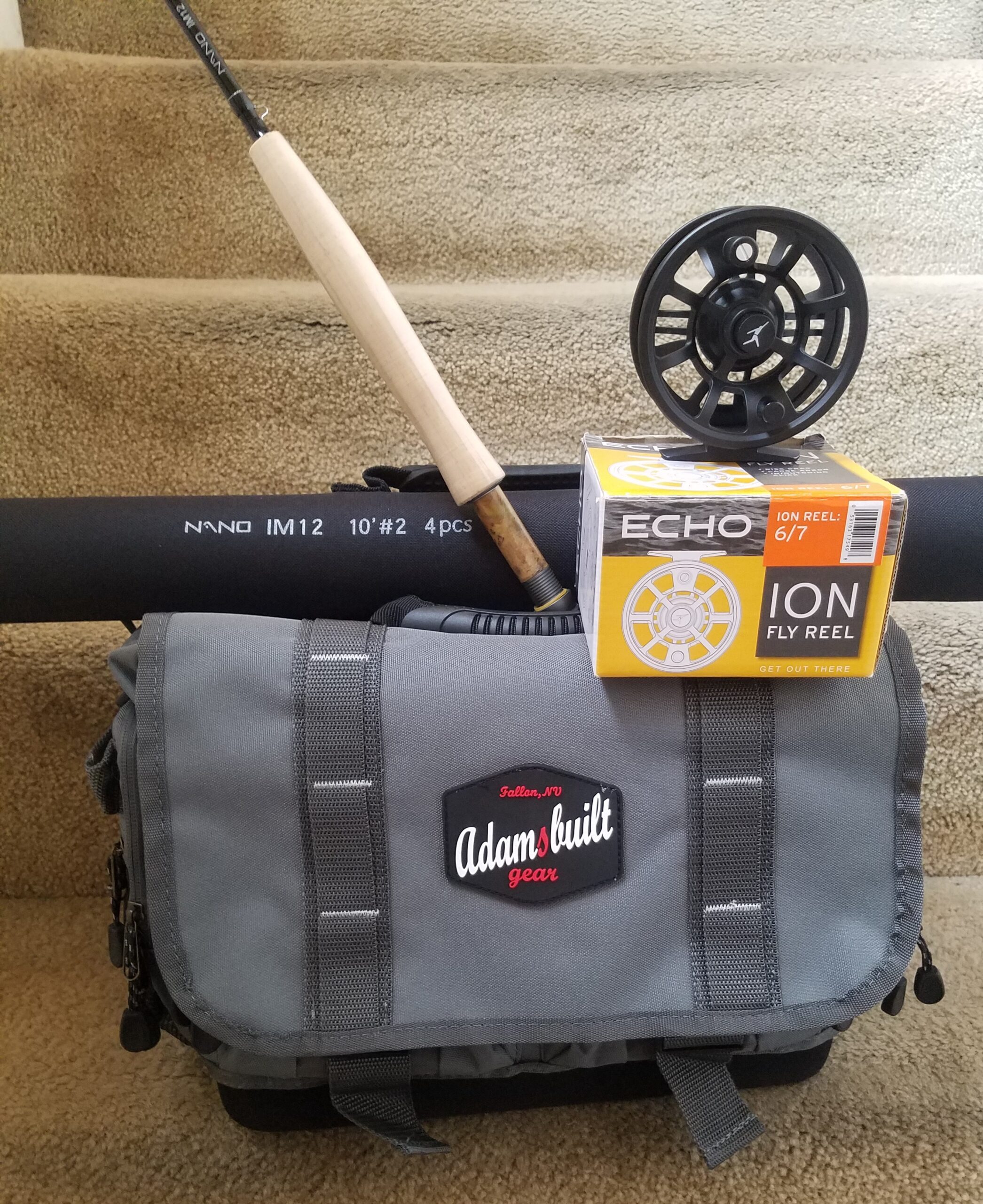
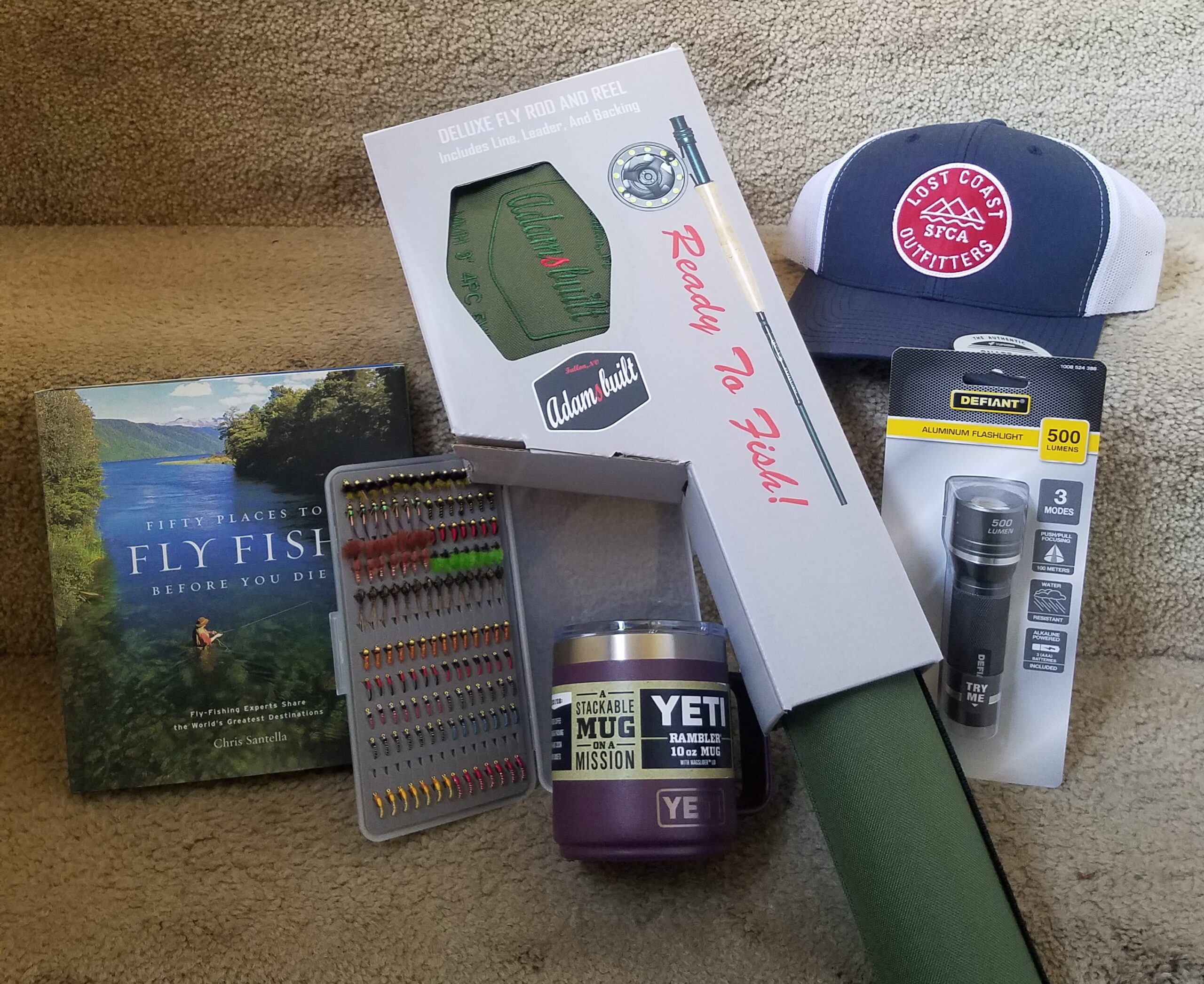
March is here and it is time to get serious about going after some of the big guys at Pyramid Lake. Take a look at these great raffle prizes that will give you a leg up at the Lake of the Giants, or if you prefer a nice little rod/reel package for Sierra streams.
Don’t miss out, buy your lucky raffle tickets.
Raffle tickets cost a dollar each, $20 bucks gets you 25. Click on the following link to purchase your lucky raffle tickets:
https://www.santacruzflyfishing.org/product-category/raffle-prizes/
The online ticket sales office will close at noon on Wednesday the day of the Fly Club meeting. The drawing will take place at the monthly meeting (3/6) held at the Aptos Grange. Club membership is not required to participate, need not be present to win.
Participation in the monthly raffle helps the Club’s conservation and scholarship programs, your support is greatly appreciated.
Posted on March 1st, 2024
Zoom link: https://us06web.zoom.us/j/89352294939
David Gregory is the owner of Yosemite Outfitters, a fly fishing and Hiking guide service out of Yosemite.

David has a B.S. in Parks and Recreation Management and is a graduate of Clearwater Guide School. He is enthusiastically devoted to sharing his love of fly fishing and guides for Yosemite Outfitters. The past 19 years he has formed a deep connection to Yosemite and the cool crystal waters off the Merced and Tuolumne Rivers

From roaming the Patagonian Andes to the sheer magic of Yosemite, David Gregory will take us on an aquatic adventure through places that have captured his heart. Addressing the need for conservation and stewardship to preserve the future of our sport and planet.

Posted on March 1st, 2024

The Santa Cruz club is a member of the Fly Fishing International (FFI) which provides us with well priced insurance to run the club. I thought that was all it did, but after attending a lunch meeting at the Pleasanton Fly show, I am convinced that they have a program that will be a cornerstone of our club as well as many clubs around the world. This year our club will continue to roll out the Fly Casting Skills Development program and I can imagine a time when we will have 20+ people at our casting clinics. The “aha” for me is that the program is based around Skill Assessment, not a pass/fail test and not a classroom. And the Skills Development program is for everyone, below I have pulled information about the mission and skills involved at each level.
The mission of the Fly Casting Skills Development program is to give all fly anglers a guide to learning and improving casting skills that address increasingly advanced fishing situations. It starts at the Foundation level, for true beginners to the sport who might be picking up a fly rod for the first time. It progresses through 4 levels of Foundation, Bronze, Silver, and Gold. These provide a broad, relevant range of fishing casts covering skill categories of loop control, accuracy, roll cast, presentation, change in direction and distance. Better casting skills open more fishing opportunities with less frustration. All fly anglers can benefit and should be proud of their accomplishment. There is even an opportunity for recognition of casting accomplishments with an award document and a pin at Bronze, Silver and Gold levels.
BRONZE FLY CASTING SKILL LEVEL
The Bronze Level is focused on developing or reinforcing solid beginning fly casting skills. A fly fisher with this level of proficiency can successfully fish many common fishing situations. The Bronze Level challenges are as follows:
B1. Pick-Up and Lay-Down cast (PULD): 40 ft.
B2. Vertical to Horizontal Casting: 40 ft.
B3. Roll Cast, Dominant Side: 40 ft.
B4. Roll Cast, Non-Dominant Side: 40 ft.
B5. Shooting Line: Starting at 40 ft. shooting to 45+ ft. with no false casts allowed.
B6. Accuracy: Hit 0, 30, and then 40-foot targets
B7. Distance: Starting at 40 ft. shooting to 50+ ft.
SILVER FLY CASTING SKILL LEVEL
The Silver Level is focused on developing intermediate level fly casting skills. A fly fisher with these casting skills can successfully fish common situations and often achieve more challenging presentations.
The Silver Level challenges are as follows:
S1. Vertical to Horizontal False Casts, Non-Dominant Side: 40 ft.
S2. Reach Mend to Right: At 40 ft., the caster will perform a reach mend to the right.
S3. Reach Mend to the Left: At 40 ft., the caster will perform a reach mend to the left.
S4. Slack Line Presentation: At 40 ft., the caster will make a slack line presentation
S5. Belgian style or Oval Cast: At 40 ft., the caster will perform a Belgian cast (open loop)
S6. Accuracy, Non-Dominant Side: Hit 0, 30, and then 40-foot targets
S7. Distance and Shooting Line: Starting t 45 ft., shooting to 60+ ft.
GOLD FLY CASTING SKILL LEVEL
The Gold Level is focused on developing advanced fly casting skills. A fly fisher with these skills can successfully fish in a wide variety of fishing situations.
The Gold Level challenges are as follows:
G1. Loop Control, Non-Dominant Side: At 45 ft., the caster will perform 4 or more false casts off the non-dominant shoulder (left shoulder for a right-handed person) ending with fly hitting a 4 ft. target. Hauling is allowed.
G2. Curve Casts: At 40 ft., the caster will perform a curve cast to the side of their choice with the line/leader curving around an obstacle at approximately 25 ft. The fly should land at least 45 degrees from the line layout between the caster and the obstacle.
G3. Roll Cast Pick-Up: Starting at 40 ft., the caster will perform a roll cast pick-up with extension of line to 55ft.
G4. Change of Direction Casts: At 40 ft., the caster will perform two different change of direction casts of their choosing with fly line and leader landing relatively straight.
G5. Accuracy: Hit 20, 30, 40, and then 50-foot targets
G6. Casting While Seated or Kneeling: While sitting in a chair or kneeling with one knee on the ground, start at 30 ft. and shoot to 40 ft.
G7. Backcast Presentation to a Minimum of 55 ft.:
G8. Distance and Shooting Line: Starting at 45 ft., shooting to 70+ ft.
For more detailed information, here is a link to a PDF about the program.
Hope to see you on March 23rd at the Casting Clinic where I will be working on skills S2 and S3!
Scott Kitayama
Posted on February 29th, 2024
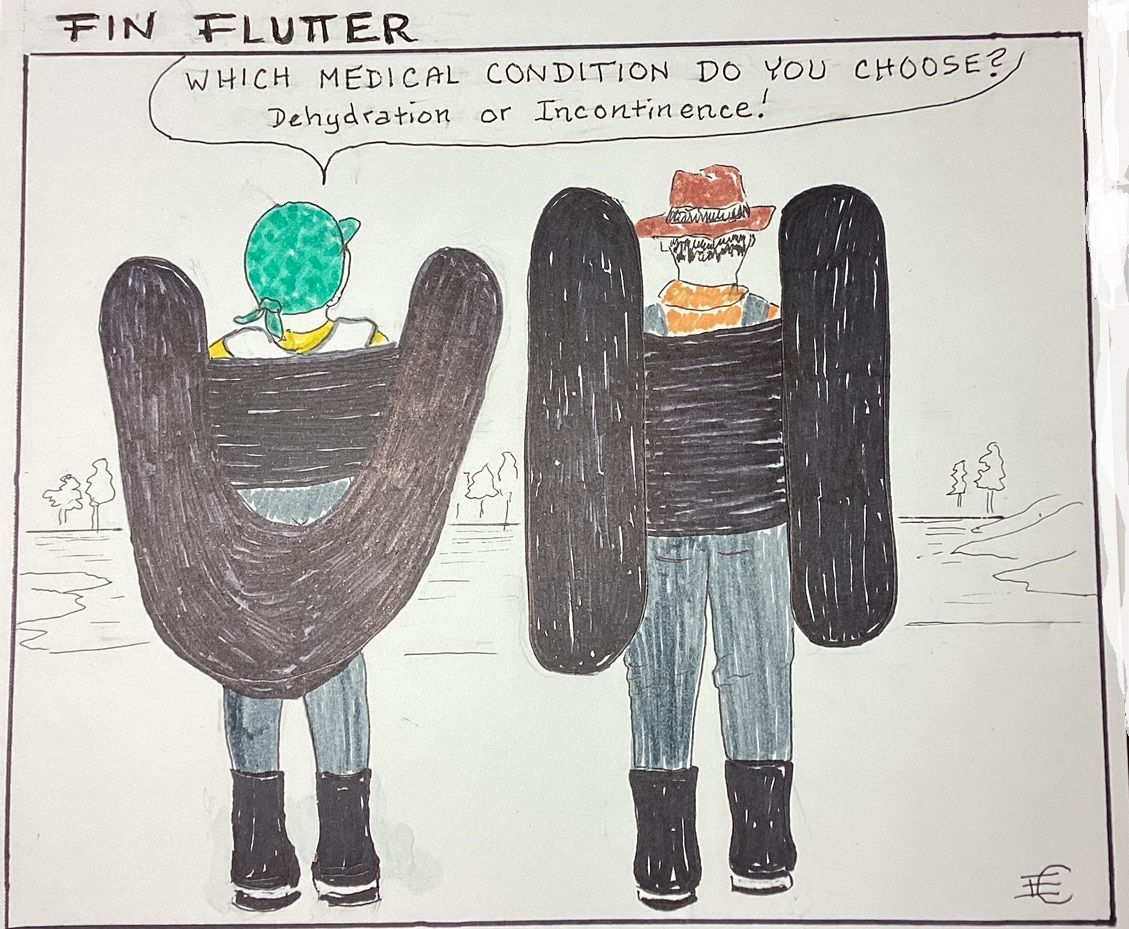
OK, Dad, do you try to walk all the way back, or do you undress him in the bushes?
Posted on January 25th, 2024
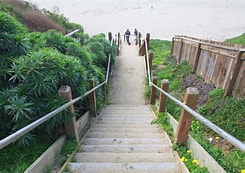
The pacific is scarcely visible as we make our way down the steep, sand abraded stairway towards the shoreline. Audibly, you can sense the breakers might be challenging but the desire to be early in the water and the potential of landing a mini-slab urges you toward the dark water. Whether the tide is ebb or flow might matter but is there really a bad time to fish? Yes, there might be a time that would be dangerous, wave height is excessive or when the wind and blowing sand abrades your face. But other than risking life or rod, is there any bad time to get onto the beach and fling a fly?
There are a bunch of us that venture to one beach or another, in small groups, individually or in larger groups as time constraints allow. Either mode brings interesting conversation, good learning and sometimes personal challenges. Me personally, my beach days are typically Wednesday and Sundays but will ditch work for most other mornings if my meetings allow and someone is interested. There have been several mornings when I am taking calls while driving on Soquel San Jose road. BTW there are two good places to get coffee on the little winding highway back to San Jose.
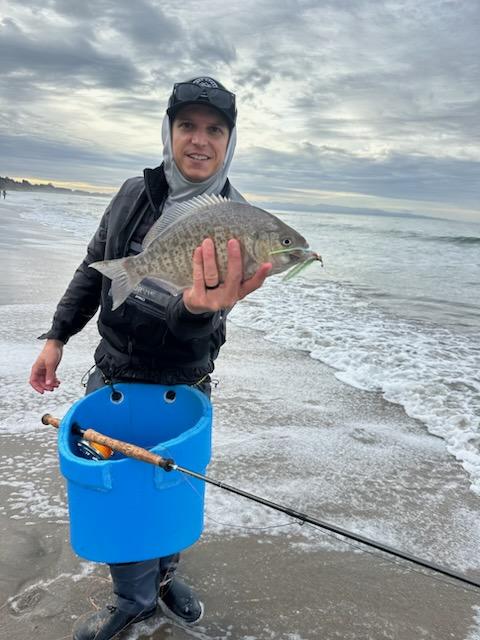
The target species in the winter is typically barred perch. Our group typically fishes between Pajero Dunes and New Brighton, rambling into every slice of sand in-between. I can’t speak for any of the other groupers but I enjoy the familiar beaches as well as I enjoy exploring. The fish are where you find them. The enjoyment is walking the beach and probing rips, troughs or any ripples around bars that might be holding fish. In the winter, the surf seems to be a bit higher and the beaches change as weather pushes the sand. Finding structure increases the odds of catching fish and it seems like once the stripers head into the rivers you do catch bigger perch. Barred surfperch or an infrequent calico might appear. Both are really fun to fight on a seven-weight rod.
I didn’t want to get deep into gear because everyone has a little different spin on the preferred. For me, my perch rod is an 11-foot, 330g, two handed rod which is advertised as being equivalent to a 7/8-wt single handed rod. I don’t have an expensive reel, just a line holder made by Compo69 which is almost all plastic but impervious to salt. This summer I landed a bat ray with at least an 18-inch wingspan. Only time I wish I had a friction drag because my palm was burning from the ray’s heft. Good thing there was a bunch of sand to run up and down. My line which might be the most important gear component is a full sinking RIO cut to length T-14 which is a tungsten line that is integrated into an intermediate running line. I like the integrated line because the loops don’t bump going through my guides. I cut the line to match the grain of the rod. Again, this is how I do it but everyone has their own methods.
When blind casting into deeper structure two things are important; getting to depth and staying in touch with your flies. I learned the essentials from the club veterans and the clubs perch outings which are outstanding events. Winter perch might also like larger flies. Only a theory because my personal best this year was caught on a size 8 perch pattern the club teaches during one of the fly-tying classes. I however like Imagineering fly patterns and trying new materials, bigger and smaller. One of my flies, two fished consistently, is typically something unique and a tried and true fish slayer.
If you have not ventured out this winter you are missing a fabulous opportunity. The beach resource during the summer gets pounded by bait dunkers and jig masters however the winter you see fewer anglers. If you are minimally adventurous and are not disagreeable to a nippier air, get out there and fish. Perch are waiting to be tantalized by your undulating marabou and glittery profiles.
Posted on January 25th, 2024
The newsletter provides brief fishout info. For full detail, go to the website menu and select EVENTS -> Fishout Schedule
Posted on January 25th, 2024
10 recent renewals have increased membership to 210…Thank you for your renewal support and additional donations.
Posted on January 25th, 2024
| Date | Activity Link | Description | Location |
|---|---|---|---|
| Feb 03 5:00 pm - 9:00 pm | 2024 SCFF Annual Fundraiser, Awards, and Installation Day | We are bringing back the Annual Fundraising dinner. Wild Alaska Salmon will highlight the dinner and we will have many prizes available for the raffle. We are keeping the dinner affordable at $40/person and expect it to sell out early. | Pajaro Valley Rod and Gun Club |
| Feb 10 5:00 pm - 8:00 pm | Fly Fishing Film Tour 2024 | The 18th annual FLY FISHING FILM TOUR (F3T) is at the RIO theater February 10th 2024 with a top notch selection of short films that are sure to get you fired up for the season ahead! | Rio Theater |
| Feb 23 - Feb 25 12:00 am | Fly Casting-No Class at Jade St. in February | There will be NO casting class at Jade St. in February. The Pleasanton Fly Fishing Show is taking place in February and instructor Tom Hogye will be there helping with casting lessons. Look for a message to the club from Tom with more information about the casting classes at the Pleasanton Show. | |
| Feb 23 - Feb 25 12:00 am | Pleasanton Fly Fishing Show | There are lots of activities including casting demos/instruction, fly tying demos/instruction, seminars from well-known pros, vendors selling all-things fly fishy. It’s a great opportunity to learn and check out gear before you purchase. Many club members make it an annual event. If you are new to the sport, go and pick up a few tips. Visit the the website for details and how to get tickets. https://flyfishingshow.com/pleasanton-ca/ | Alameda County Fairgrounds |
Posted on January 25th, 2024

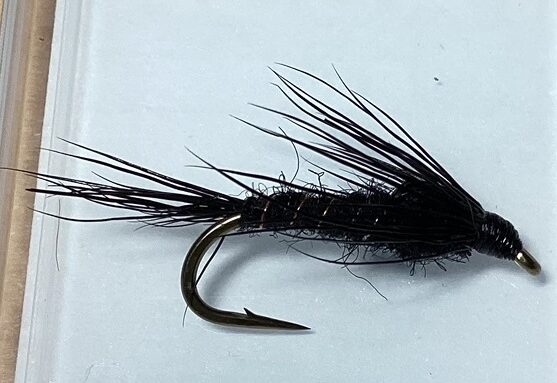
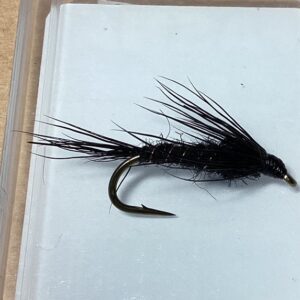
Hook: TMC 5263 or TMC 200R Sizes 6 (at Pyramid ) -12. Adjust materials for the smaller flies.
Thread: black 6/0
Tail: Black marabou with fluffy tips ( straight tips can be broken off )
Tail Flash: both red and blue Flashabou
Hackle: Black strung hackle, AKA India hen back.
Body: Speckled midnight fire chenille ( black chenille with short projections of both red and blue flash )
1. Crimp barb.
2. Attach thread behind eye. Wrap to above hook barb, then forward to mid shank.
3. Note: moisten marabou for easy handling. Cut moderately large clump from stem. If barbs are not at least 2 shank lengths long, tie in at rear of shank. Lay on top of shank, butt ends 2 eye lengths behind eye. Tie in place to top of entire shank. Advance thread 1/4 inch. Shorten length of tail, by pinching not cutting, to length of hook (some prefer a tail half that length).
4. Holding one strand of both red and blue Flashabou together, moisten for easy handling, cut in half. Tie center of all strands to top of shank with a couple wraps. Holding half on far side of tail and half on near side, tie in place back to rear of shank. Cut to length of tail.
5. Holding tip of hackle, stroke all other barbs against the grain. Tie tip to rear of shank with shiny side facing you. Advance thread to 1-2 eye lengths behind eye.
6. Strip 1/4 ” chenille from center threads. Tie threads to shank. With touching wraps, wrap to rear of shank then forward to tie in. Tie of, cut excess.
7. Spiral (palmar) hackle forward in about 8 wraps, stroking barbs backward with each wrap. Tie off, cut excess.
8. Holding barbs back, wrap thread head. Whip finish. Cut thread. Apply Zap-A-Gap glue or similar.
Posted on January 25th, 2024
This fly originated in England, and became extremely popular until they outlawed because it was too successful. It is now becoming very popular in the states, and having the same results including at Pyramid Lake. We will be having a club fish out there in early April so be sure and bring a few of these flies with you. It’s tied in a variety of ways and we will be tying one that was particularly successful at Pyramid this last year. For those of you who are new to our club, the classes are always free with materials provided.For people who are new to fly tying, tools, vices, and thread are made available. For those who have thread bring white flat waxed nylon or similar. Our annual fundraiser of Salmon and big ralffle on the 3rd of February is taking the place of our club meeting so you will need to sign up by calling or emailing me. 831-234-6515, coookin@gmail.com
MARCH FLY TYING CLASS: We will be doing our annual popper class and space is limited. It will be held the weekend of March 16 and 17th at my home. Two days are required, each about four hours, due to drying of paints and epoxies. No particular fly tying skill is needed for this class. If you wish to attend this class, you can sign up now to assure your place. Do call if you have questions.
Future tying classes. Dates and subject may change, please go to Fly Name to see more information.
| Date | Fly | Excerpt | |
|---|---|---|---|
![]() | Mar 16 - Mar 17 10:00 am - 3:00 pm | March Poppers Class! -2024 | It’s time to get ready for the bass and bluegill season with some of these top water creations. This is a two day class that is a very artsy crafty and beginners should feel comfortable in attending. All the materials will be provided including the thread. Vises and tools will be available for beginners. There is limited space, so only sign up if you are committed to attend and do so no later than March 11. You can sign up at the club meeting or by calling me at 831-234-6515 |
![]() | Apr 10 6:30 pm - 8:30 pm | AP nymph | Looking ahead we will be tying a nymph that has been around for a long long time. It’s a great fly for beginners. |
Posted on January 25th, 2024
| Trout Nugget was supposed to be in the December class, but the material did not arrive in time. So it will now be part of the January class.
We welcome beginners and provide them with tools, thread and advice. It’s always helpful to bring magnification and a table lamp. Some lamps are always provided, but not enough to go around usually. Elaine Cook will be teaching. Sign ups are important and can be done at the September club meeting or calling Elaine at 831-234-6515. Please allow at least 24 hours notice ahead. |
Posted on December 27th, 2023

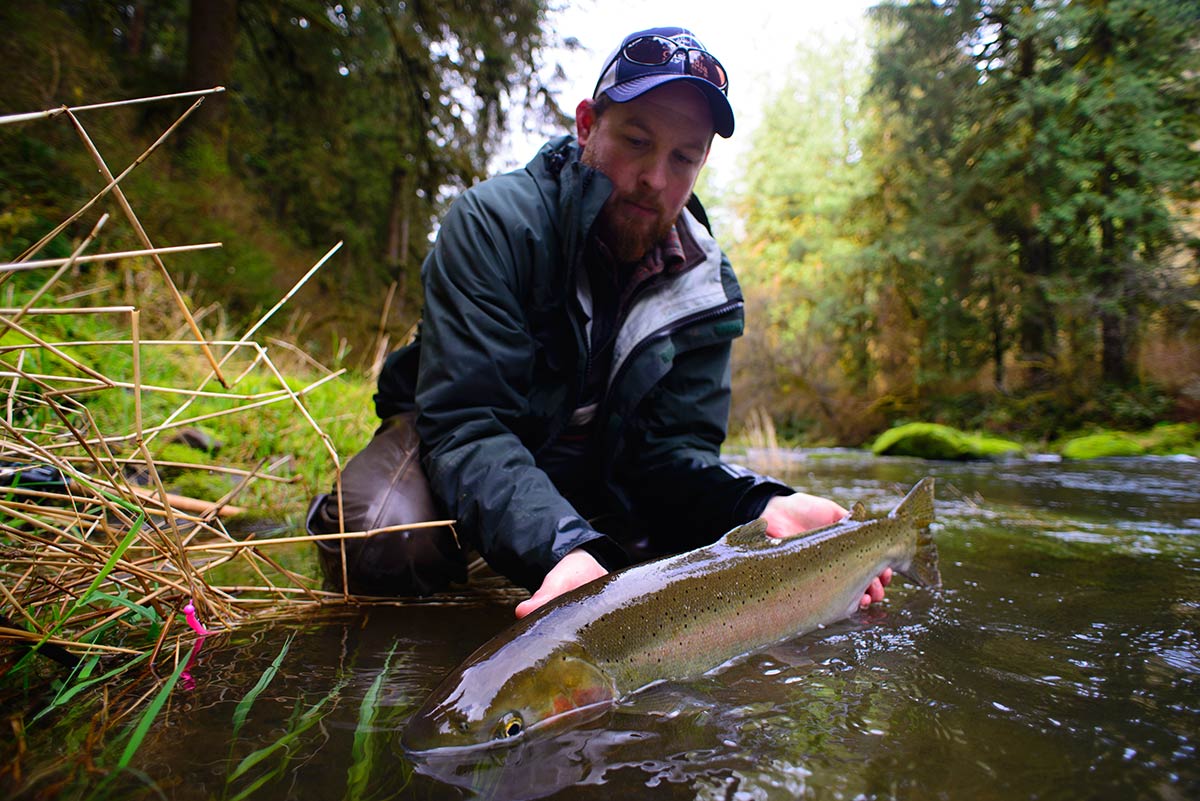
This one is for the steelhead fishers, who tell us all the time how much fun they’re having!
Posted on December 27th, 2023
The newsletter provides brief fishout info. For full detail, go to the website menu and select EVENTS -> Fishout Schedule
| EVENT NAME | EVENT DATE | SPECIES | FISH MASTER |
|---|
Posted on December 27th, 2023

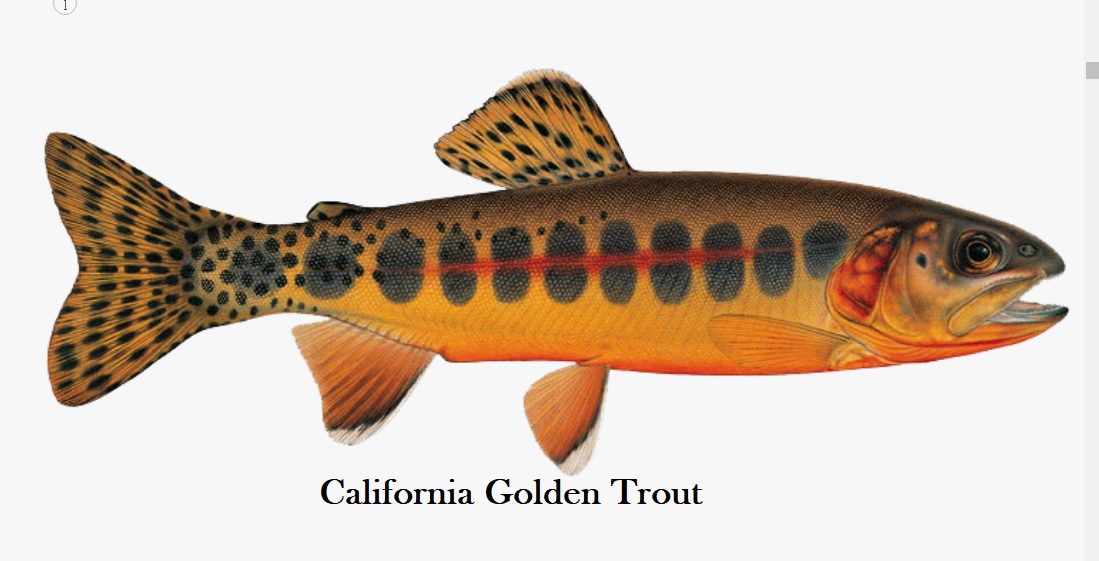
The California golden trout holds the well-deserved status of being California’s state fish. It’s arguably one of most beautiful fish…and it’s a trout, which we fly anglers hold in high esteem. There is another lesser known fish that is only found in and around coastal lagoons along California’s coast. Some of us fisher-types that know a little about our local streams have probably heard of the tidewater goby. Tidewater gobies only grow to about 2 inches in length. They are adapted to surviving in large variations of water salinity, temperature and dissolved oxygen level. While their reproduction cycle can occur all year long, peak success takes place during the summer when the estuary sand bar is intact. In spite of the their resilient nature, a number of environmental changes have led to the tidewater goby to be listed as endangered. Coastal development that alters the natural formation of estuaries is one primary example. Over a span of about 60 years beginning in the early 1950s, the goby was not found. The reason is thought to be the discharge of poorly treated sewage, extensive levee construction and channelization. In 2013 and 2014 FISHBIO did surveys at the Salinas lagoon and found that the goby was the second largest number of fish counted. Fish surveys have been taking place annually with encouraging results. Although I was not able to find what specific recovery measures were enacted for the Salinas River Lagoon, I expect some action was taken following the release in of the “Recovery Plan for the Tidewater Goby” published by the U.S. Fish and Wildlife Service in 2005 to mitigate the above-mentioned stressors. Hopefully the improved conditions in the Salinas River lagoon will help other species populations grow as well! For more details and information go to:
https://fishbio.com/a-true-but-endangered-californian-the-tidewater-goby/
And an interesting video on the survey on the Salinas river:
https://www.youtube.com/watch?v=g1Qsfl06NoQ&t=5s
Posted on December 27th, 2023

A simple fly to tie for trout in primarily still water. I wouldn’t hesitate to use it for largemouth bass or bluegill. Fishing the fly is most successful using a sinking line, a loop knot in your tippet and pulling with a short slow retrieve.
HOOK: TMC 5263 or other 3X long hook.
Crimp barb.
THREAD: 6/0 wine, maroon, rusty brown (or similar). Use black if tying a black leach.
Attached behind eye.
Touching wraps to rear of shank (Covering the shank is very important).
TAIL: marabou (Type without long pointed tips. Usually found at the side of the stem.) Burgundy or wine color. Black for black leech.
Cut a small bundle from the side of the stem.
Tie in butt ends in at rear of shank.
Cut excess short and tie down.
Pinch tips off so tail measures the length of the hook.
BODY: Semi-Seal dubbing. Arizona, Semi-Seal blood leach color OR Troutman Enterprise, Semi-Seal bloody leach color.
While holding a small ball of fibers, hand stack them and put aside.
Make a dubbing loop and lock thread together at top of loop.
Advanced thread to one eye length behind eye.
Insert sparse amounts of dubbing into loop, close loop, twist forming a chenille.
Wrap chenille forward using touching wraps, stroking fibers backward with each wrap, up to one eye length behind the eye.
Tie off, cut access.
Brush some of the fibers straight up, and some straight down.
Pinch the fly with your thumb and fore finger, then stroke all the fibers to the rear forming a narrow body.
Posted on December 27th, 2023
Date: NA
Time: NA
Place: NA
Posted onTo all of you who have attended the fly tying classes in 2023, so glad you attended and enjoyed the camaraderie and fun of tying flies. A special thank you goes to those who instructed classes for me: Tom Eckert, who tied a damselfly nymph, Greg Foy who tied a red copper, Jerry McKeon, who did a chubby Chernobyl and Kathy Powers who offered a wiggle tail. I look forward to providing fly tying classes for all of you who are interested in want to attend in 2024. Lots of great fly patterns are being planned.
Posted on December 27th, 2023
| Date | Activity Link | Description | Location |
|---|---|---|---|
| Dec 30 1:30 pm - 3:00 pm | Fly Casting Meetup | All are welcome from beginners to experienced casters. This is a good time to continue working on and enjoying your progress with effectively casting your fly-line -whether it’s 25, 35, 40, or 50 feet – 90% of your fishing casting. We will continue to work on this foundation for everyone who wants to successfully and enjoyably pickup their fly rod and cast exactly where you want – time after time. Bring your rod and reel if appropriate, and I will also have the nice club rods we have so you can toss one of those around too. | Jade Street Park baseball field |
| Jan 20 1:30 pm - 3:00 pm | Fly Casting Meetup | All are welcome from beginners to experienced casters. This is a good time to continue working on and enjoying your progress with effectively casting your fly-line -whether it’s 25, 35, 40, or 50 feet – 90% of your fishing casting. We will continue to work on this foundation for everyone who wants to successfully and enjoyably pickup their fly rod and cast exactly where you want – time after time. Bring your rod and reel if appropriate, and I will also have the nice club rods we have so you can toss one of those around too. | Jade Street Park baseball field |
| Jan 23 12:00 am | Spey Casting Class (Time and Location TBD) | A Spey casting class will be held on Tuesday, January 23rd . Alex Ferber would like this class to be open to those that have either taken one of his classes or for those that have some experience with Spey Casting with Skagit or Scandi. This class will not be geared for complete novices to Spey casting. Keep an eye out for updates from Alex on Google Groups messages the time and location. For those interested, email Alex (alex.ferber74@gmail.com) so he can get a rough estimate of those that will be attending. The Jade St. map is provided in case the class takes place there.
| Jade Street Park baseball field |
Posted on December 18th, 2023

This one is for the steelhead fishers, who tell us all the time how much fun they’re having!
Posted on November 30th, 2023
The newsletter provides brief fishout info. For full detail, go to the website menu and select EVENTS -> Fishout Schedule
| EVENT NAME | EVENT DATE | SPECIES | FISH MASTER |
|---|---|---|---|
| 2023 Fishout Round-Up | Dec 01 - Dec 02 | FISH | Club Members |
| Upper Sacramento River Fishout (Dunsmuir) Date Postponed High Water | Mar 15 - Mar 17 | Trout | Alex Ferber |
| Pyramid Lake Fish-out April 1 – April 7, 2024 – New Info | Apr 01 - Apr 07 | Lahontan Cutthroat Trout | Mike White - (831) 706-5556 |
| Kelly Lake – Watsonville (bass, crappie) | Apr 20 | Bass, crappie, bluegill | Scott Kitayama |
| Rio Del Mar State Beach Surf Fishout | May 04 | Surf Perch / Striped Bass | Lance B. |
| June Surf Fishout – Beer Can Beach | Jun 01 | perch, stripers | Sam Bishop - Fishing; Mike Lovejoy - Breakfast |
| Burney and Around – UPDATED- | Jun 07 - Jun 09 | Trout | Alex Ferber |
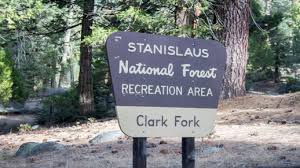
| Clarks Fork Stanislaus River – Fishout (Stanislaus Fly Fishing Club) – UPDATED 6/11 – | Jun 14 - Jun 16 | Trout | Gus Link - Stanislaus Fly Fishing Club |
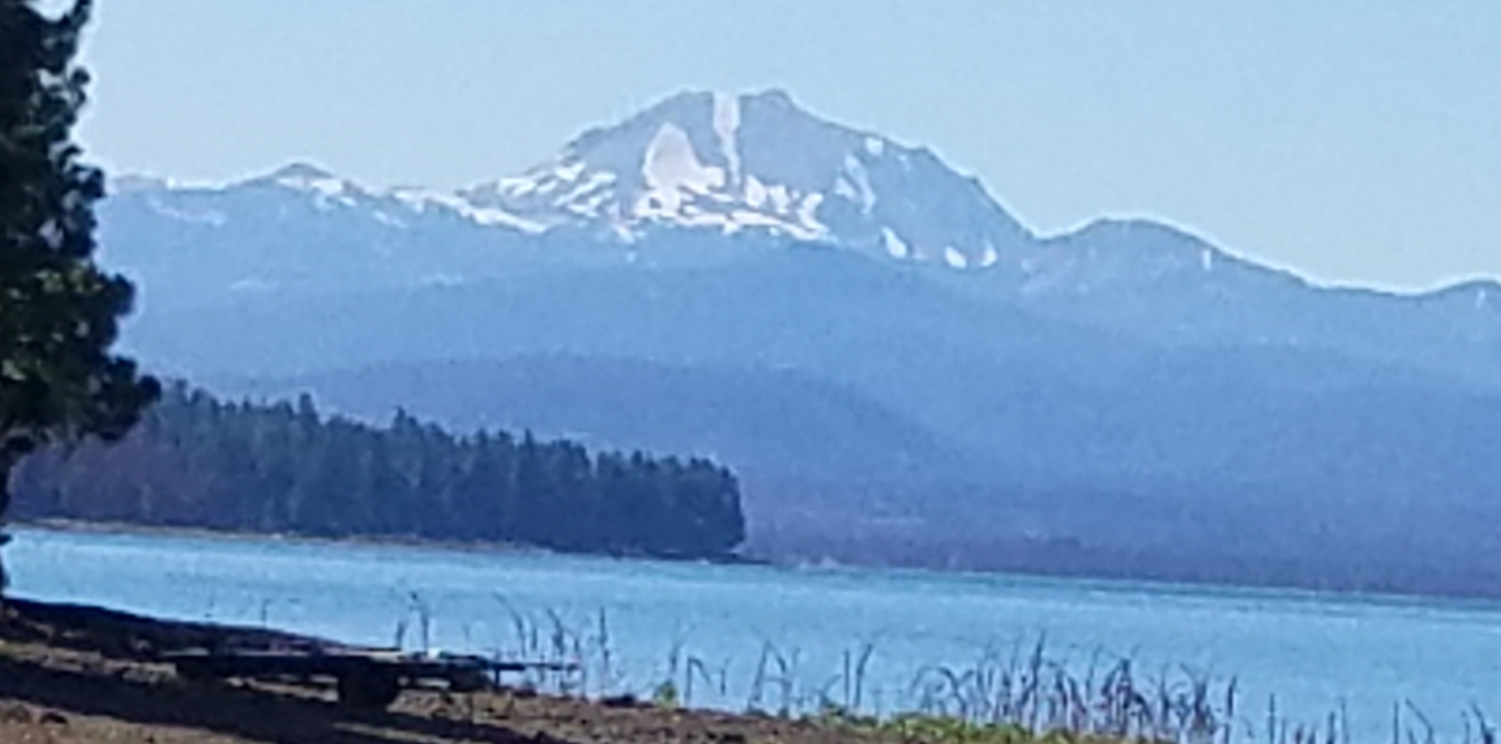
| Lake Almanor/Hex Hatch -June 22nd thru 29th- 2024 -UPDATED- | Jun 22 - Jun 29 | Trout | Tim Loomis |
Posted on November 29th, 2023
Next years dues for 2024 can be paid online now @ santacruzflyfishing.org/membership. 50% of our members have already renewed online and the response has exceeded last year with online renewals. Along with the renewals, we have had many generous donations included. We are grateful for your continued participation in the club.
Dues can also be paid @ the Dec meetings and also by check mailed to SCFF, PO Box 2008, Santa Cruz, Cal 95063
Posted on November 29th, 2023
| Date | Activity Link | Description | Location |
|---|---|---|---|
| Dec 18 - Dec 19 10:00 am - 12:00 pm | Spey Casting (See new dates) | Spey Casting clinics will be Monday, December 18 and Tuesday, December 19th . Saturday, December 2nd is CANCELLED. Keep an eye out for updates from Alex Ferber on Google Groups messages for times and locations. The Jade St. map is provided in case the class takes place there. Spey Casting is a style of presenting a fly in a down and across manner ( aka Swinging Flies)It utilizes special lines and facilitates casting in tight quarters. It enables one to use sinking lines and throwing larger flies with ease. It’s a technique used in fishing for Salmon, tout and Steelhead. It’ also has been used for Striped Bass and Shad.
| Jade Street Park baseball field |
| Dec 30 1:30 pm - 3:00 pm | Fly Casting Meetup | All are welcome from beginners to experienced casters. This is a good time to continue working on and enjoying your progress with effectively casting your fly-line -whether it’s 25, 35, 40, or 50 feet – 90% of your fishing casting. We will continue to work on this foundation for everyone who wants to successfully and enjoyably pickup their fly rod and cast exactly where you want – time after time. Bring your rod and reel if appropriate, and I will also have the nice club rods we have so you can toss one of those around too. | Jade Street Park baseball field |
Posted on November 29th, 2023

Volunteers from Santa Cruz Fly Fishing club were out last month getting wet and dirty to help our local Trout Unlimited chapter. Tim Frahm, Central Coast Steelhead Coordinator for Trout Unlimited has been working on a project on Little Arthur Creek—a tributary of the Pajaro River—in an ongoing effort to improve and sustain steelhead habitat. Little Arthur Creek contains the best remaining spawning habitat for native steelhead in the upper Pajaro River system. One of the obstacles to steelhead moving upstream is a dam on the creek that is slated to be removed in 2024. The dam does have a crude retrofitted fish ladder that does not look to be effective. Another problem with the dam is that it collects debris on the upstream side—especially during heavy rain events. These two issues make it very difficult—if not impossible—for migration of steelhead further upstream.
Six of our club members showed up with shovels, picks, saws and other assorted tools to remove all sorts of wooden obstacles—small and large—to open up the flow of the stream for passage of fish beyond the dam prior to its removal. After a few hours of vigorous effort, we were able to accomplish our task. It was rewarding to spend the morning with my fellow fly anglers trying to help in a worthy cause to restore native fish in a local watershed. Thanks to Kevin Murdock, Kevin Morrison, Tommy Polito, Barry Burt and Jerry McKeon from Santa Cruz Fly Fishing. Also, thanks to Tim Frahm and Chris Fischer from Trout Unlimited Steinbeck Chapter for inviting us. I hope we can continue our our involvement in bringing back these iconic native fish. Trout Unlimited is one of the organizations our club supports with contributions thanks to your membership, raffle purchases and fundraiser participation.
Posted on November 29th, 2023
|
We welcome beginners and provide them with tools, thread and advice. It’s always helpful to bring magnification and a table lamp. Some lamps are always provided, but not enough to go around usually. Elaine Cook will be teaching. Sign ups are important and can be done at the September club meeting or calling Elaine at 831-234-6515. Please allow at least 24 hours notice ahead. |
Posted on November 29th, 2023
Zoom link: https://us06web.zoom.us/j/89352294939
During 2003, Lance and Kirsten Gray launched Lance Gray & Co., a full-service outfitter offering guided trips, fly-fishing schools, workshops and a travel agency. His guide service covers Lake Almanor, Manzanita Lake, and the Yuba, Lower Sac and Feather rivers. Lance is a signature tier for Aqua Flies, pro staff member for Sage and Rio and is a featured writer, with articles published in Angling Trade Magazine, California Fly Fisher, Fly Fishermen, Sierra Fisherman and Northwest Fly Fishing.
Lance and Kirsten together have more than a combined 50 years of experience in fly fishing. Lance started fly fishing with his father and brother Lincoln at age 7. In his teens, he began tying flies commercially for shops all around Northern California. During 1993, Lance and Kirsten started Saltwater Innovations, a manufacturer and distributor products for saltwater fly fishing. Lance’s Crystal Popper, Gray’s Billfish Fly, the KO Charlie line and the Raghead Crabs are all Saltwater Innovations products. Kirsten worked behind the scenes, handling day-to-day operations and running the manufacturing floor.
| Monthly Speaker | Date | Excerpt |
|---|---|---|
| Jan 03 | Club Meeting |
Posted on November 29th, 2023


Posted on November 29th, 2023